

Mumbai is a major commercial and residential hub housing thousands of people. From young professionals to experienced working individuals, we can see people from all walks of life living here.
Over the years, if we observe the buying patterns of these people, we can notice a shift from owning homes to renting apartments.
Young professionals today are increasingly choosing rented apartments as buying houses in cities like Mumbai has become more challenging than ever before. From extensive paperwork to skyrocketing property prices, the entire process has become a difficult task.
Other factors such as career growth opportunities, job changes, frequent relocations and most importantly the need for affordable living are making today’s generation lean more towards renting.
WHY YOUNGSTERS TODAY CHOOSE RENTAL LIVING?
1. PROXIMITY TO WORKPLACE HUBS:
Mumbai’s long travel hours are a major drawback for working professionals. With job changes and career-driven moves, youngsters are always in a position to switch places, locations, and jobs. Renting allows them to make these transitions easily and helps them live closer to their workplace, reducing travel time.
Owning an apartment can create difficulties when switching jobs, whereas renting gives them the flexibility to move whenever needed.
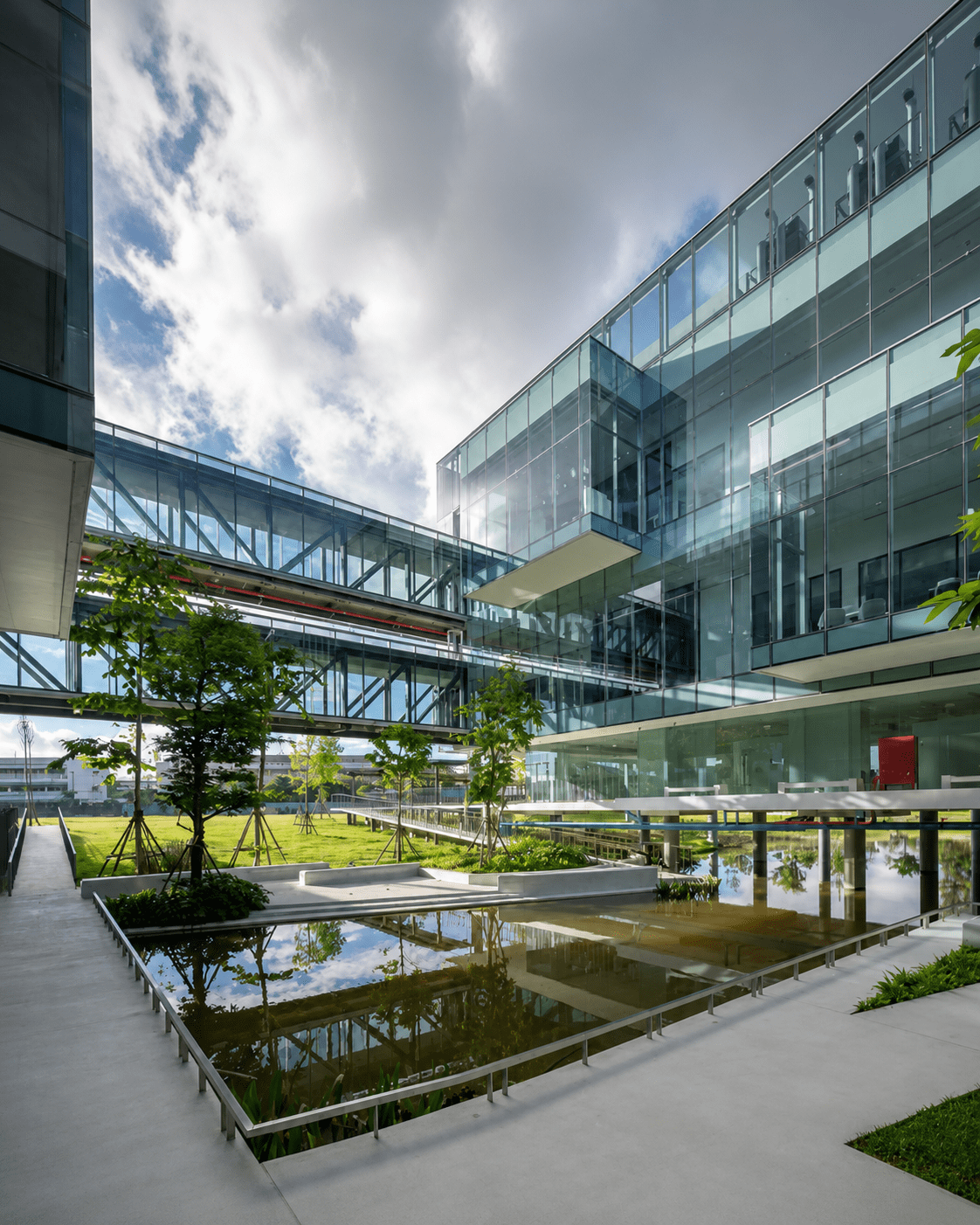

2. HIGH PROPERTY PRICES:
Newly entered professionals today earn significantly less compared to the capital required to own a property. Property prices in areas like Mumbai are extremely high, making homeownership difficult. Additionally, buying a property in Mumbai involves substantial paperwork and associated costs, making renting a practical way to preserve capital.
Renting allows youngsters to bridge this gap by enjoying the same location, space, and amenities at a more affordable cost of living. It gives them the freedom to choose an apartment that fits their budget, allowing them to experience premium, lifestyle-driven neighbourhoods at a fraction of the cost.
3. FLEXIBILITY FOR CAREER GROWTH:
Youngsters today prefer not to stick to one job, one profession, or even one career. They constantly explore their capabilities and frequently try new opportunities.
This often requires them to move from one place to another.
Owning a property can restrict these continuous moves and result in higher costs. Renting allows them to explore new opportunities without worrying about paying for a property they rarely use.

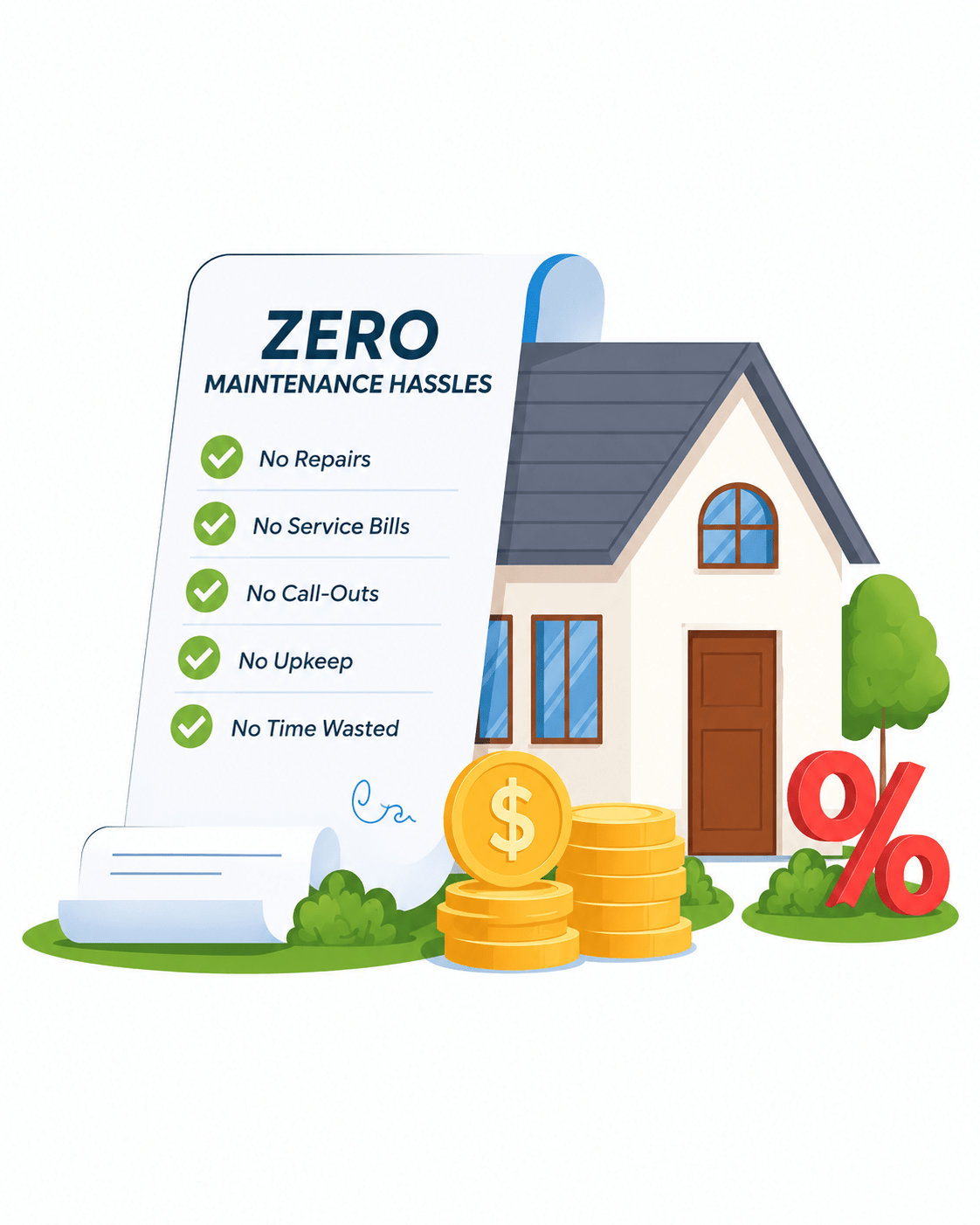
4. ZERO MAINTENANCE HASSLES:
Owning a house gives you possession of the property, but the responsibility of maintenance and upgrade costs also falls on the owner.
Renting generally requires only a security deposit.
Tenants are not liable for major structural repairs, plumbing issues, or society maintenance charges, helping them avoid unexpected out-of-pocket expenses that often burden homeowners.
5. SHARED ACCOMODATIONS OR CO-LIVING:
To manage the high cost of living, many young people choose to live with roommates, sharing the rent of a 1 BHK or 2 BHK apartment.
The concept of co-living allows unrelated individuals to rent private bedrooms within a professionally managed property while sharing common amenities and spaces.
Both traditional PGs and co-living spaces offer affordable housing options through shared living arrangements.


6. MODERN FINANCIAL INVESTMENT DECISIONS:
Buying a 1 BHK in Mumbai often costs upwards of ₹1 Crore, making the upfront down payment and high home loan EMIs financially impossible or highly restrictive for early-career professionals.
Instead, many youngsters choose to invest their savings in financial instruments such as mutual funds, SIPs, and equity markets.
This strategy prevents them from becoming budget-constrained while potentially generating higher compounded returns over the long term.
While owning a home is a valuable investment and long-term asset, the high costs involved can make it difficult for young professionals.
Renting, therefore, offers a practical and affordable alternative, providing flexibility, better financial freedom, and access to quality housing without the burden of ownership.



Join The Discussion